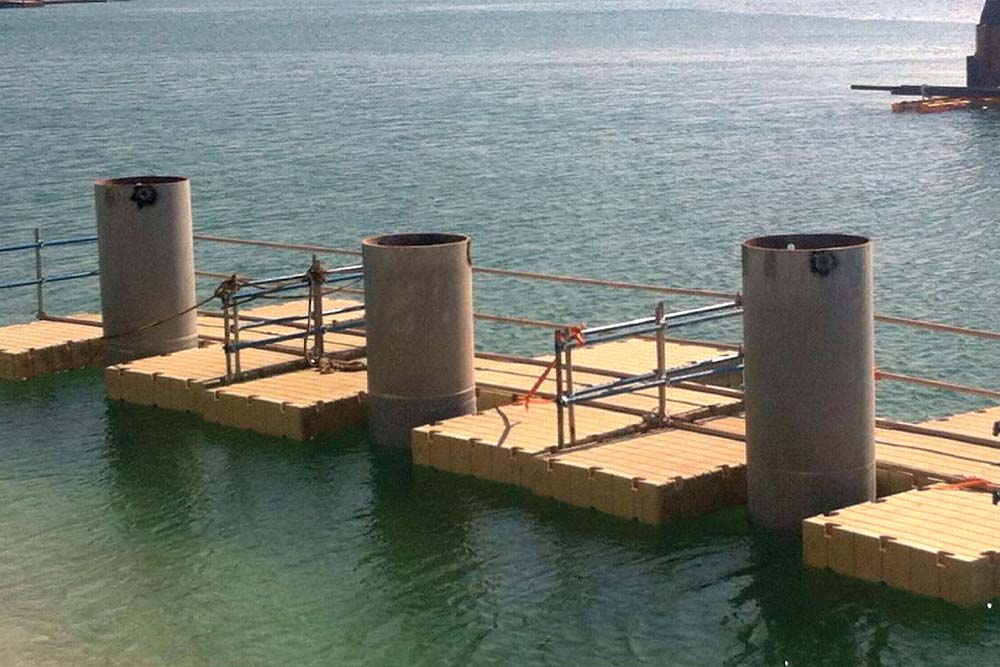
Before anything physical starts, there is this slow phase that does not look like progress at all. No machines, no movement, just people talking, checking, rechecking. That is usually when someone decides to Contact Marine Bulkhead, not because work has started, but because it is about to and things need to make sense first. It feels quiet. Almost too quiet for something that will later become a full project.
First steps taken before any construction begins
It usually starts with simple questions. What is being built, how heavy it will be, where exactly it will sit.
Sounds basic. But the answers are not always clear at first.
People go back and forth a bit. One idea leads to another. Sometimes the same point is discussed twice in different ways.
Not a waste of time. Just part of figuring things out. Because once work starts, changing direction becomes harder.
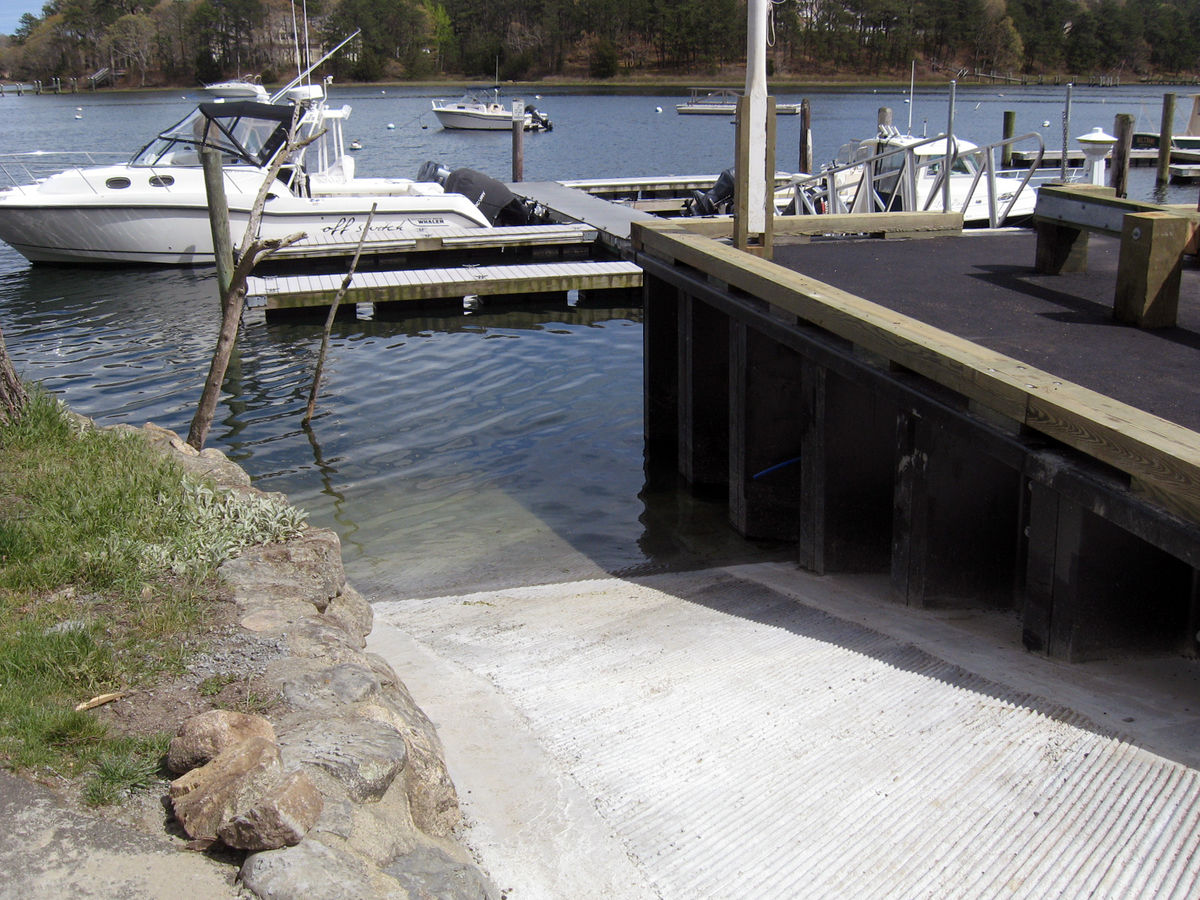
Understanding site conditions through initial checks
The ground is never just what you see on top. That part is almost misleading sometimes.
So they check deeper.
- Soil samples are taken
- Water presence is noted
- Strength is estimated based on tests
Even then, it is not fully certain. The ground can still behave differently once real load comes in. And that uncertainty kind of stays in the background the whole time.
Planning gaps that lead to delays
Even with all this, gaps still happen. Maybe a condition is assumed. Maybe something is not checked deeply enough.
At first, nothing shows. Then later:
- Equipment does not match the ground
- Work slows down unexpectedly
- Adjustments start piling up
And fixing things later always takes more effort. That part never really changes. At this stage, when teams Contact Marine Bulkhead, they are not just asking about services. They are shaping how the project will hold together over time.
Coordination between different working teams
Different teams handle different parts. That is normal. But getting them to move together smoothly is not always simple.
One team may be ready. Another might still be waiting on something. Or a small change in one area affects another without warning. So coordination becomes less about planning perfectly and more about staying connected. Even then, things can feel slightly off at times.
Nothing visible happens here. No structure, no progress you can point at. Just decisions. Small ones, repeated. And once things move forward, those decisions stay. You cannot really go back and reset everything. So this phase, even if it feels slow or even unnecessary at times, ends up shaping how stable everything feels in the end. Not loudly. Just quietly, underneath it all.